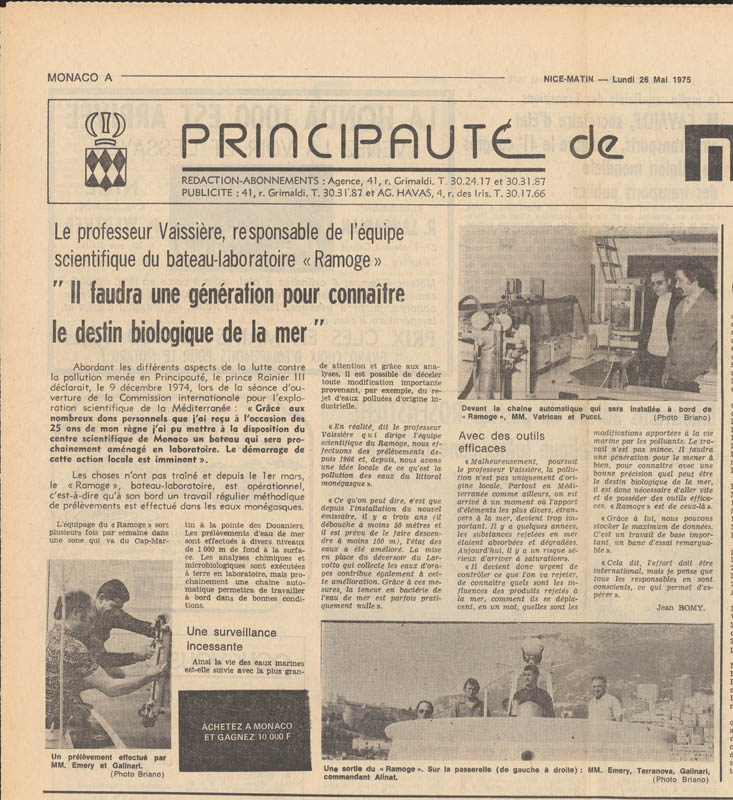
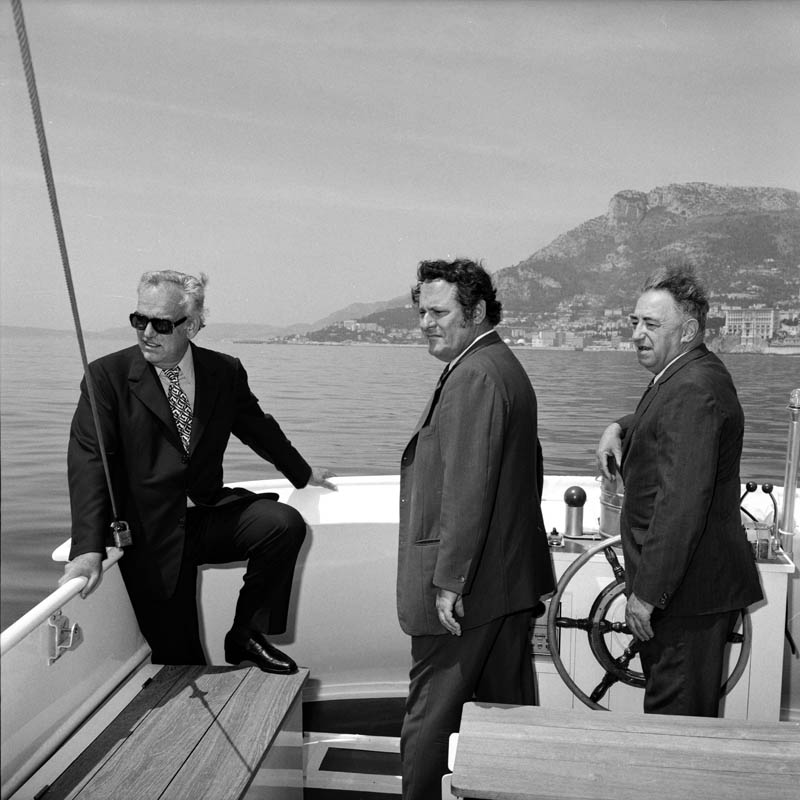
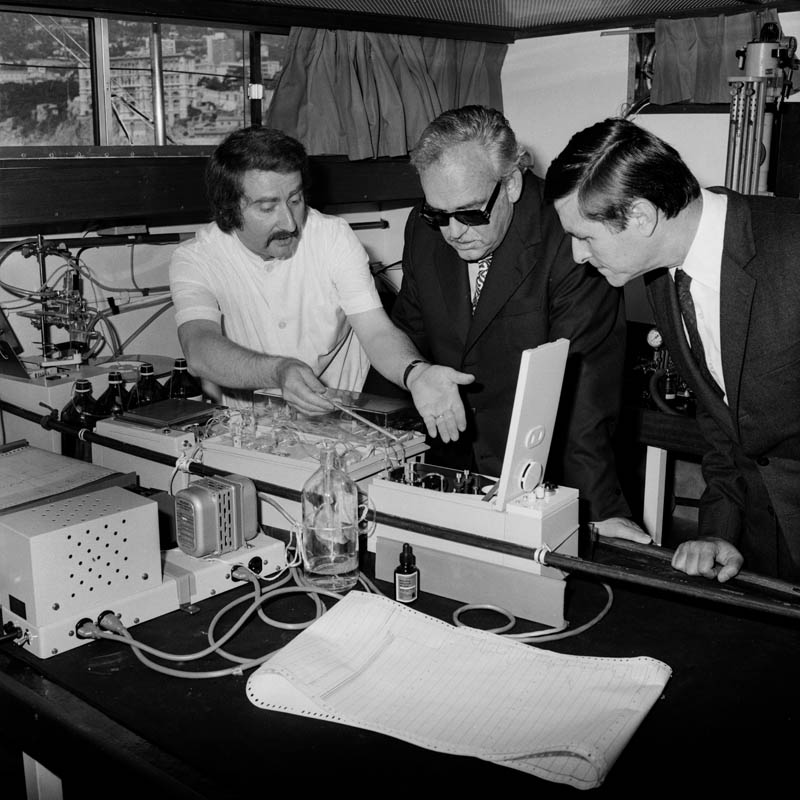
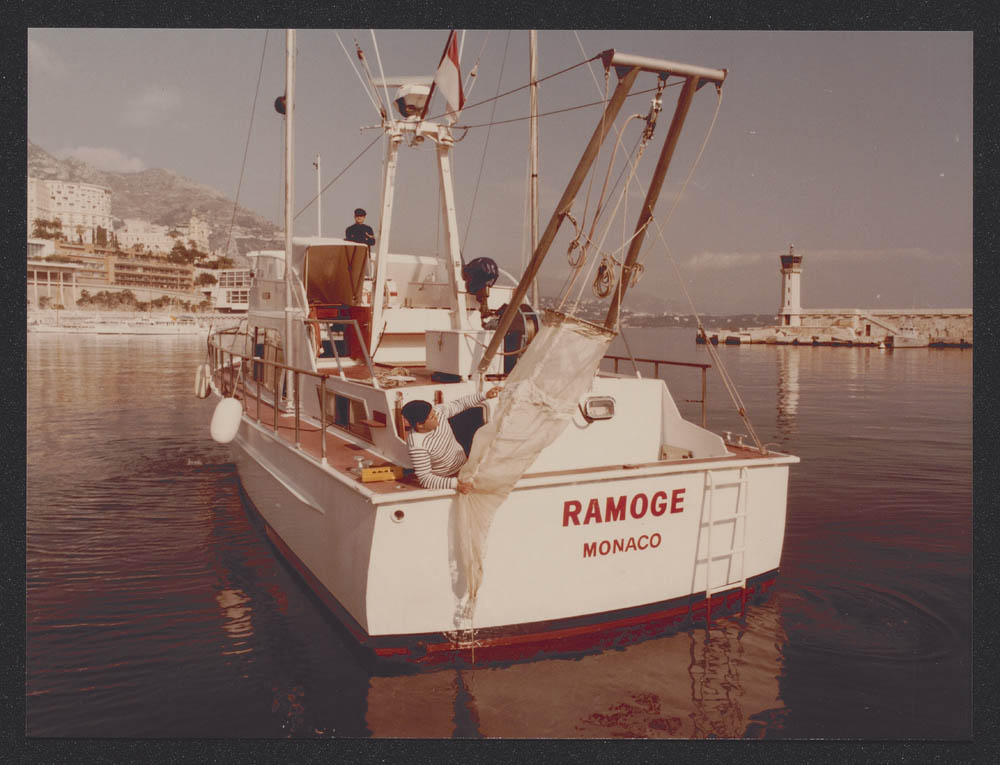
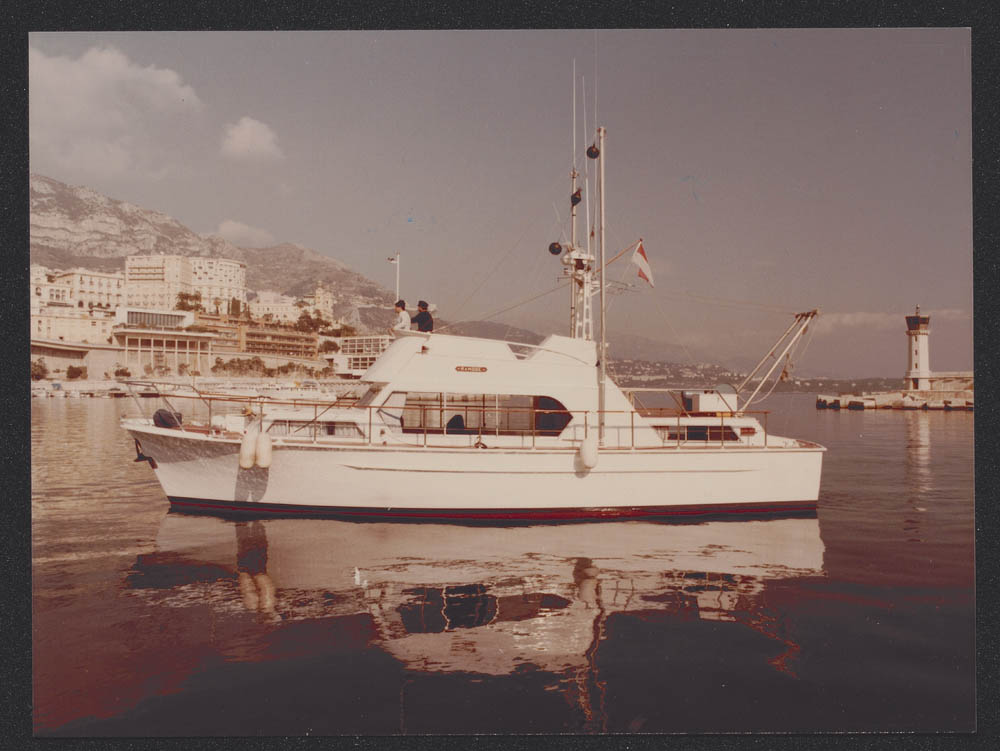
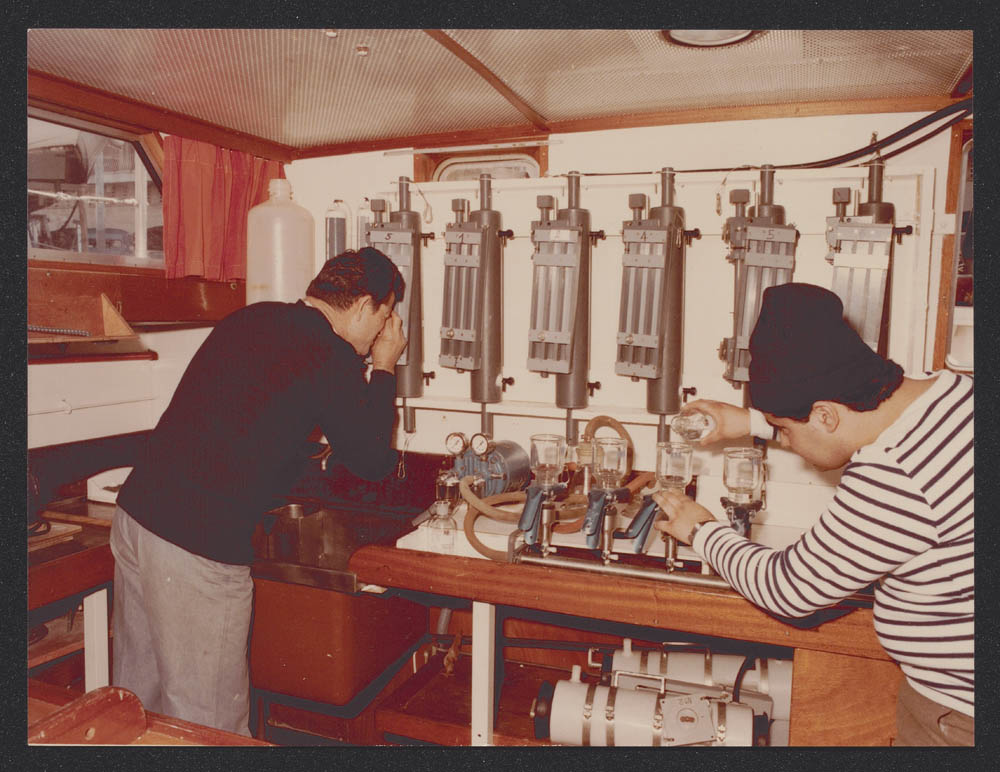
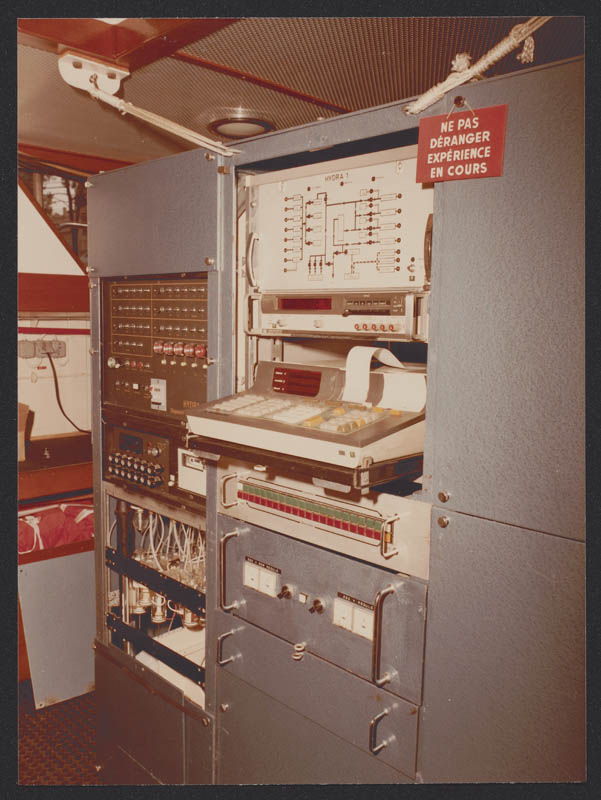
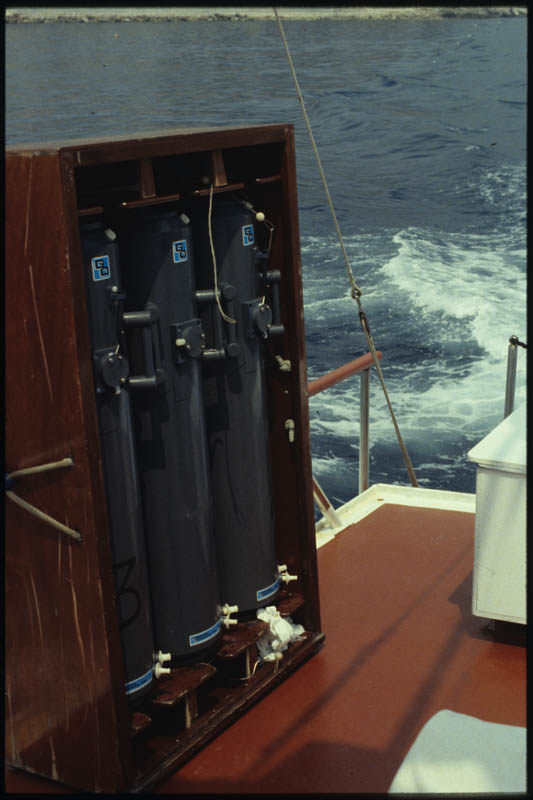
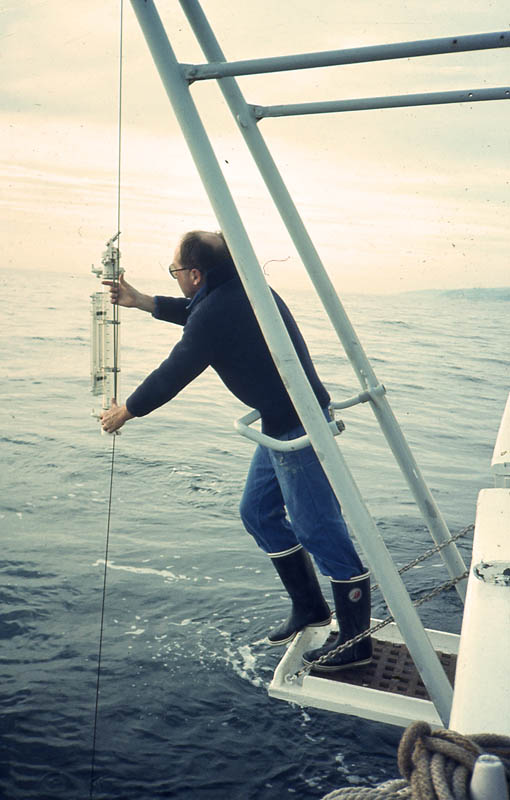
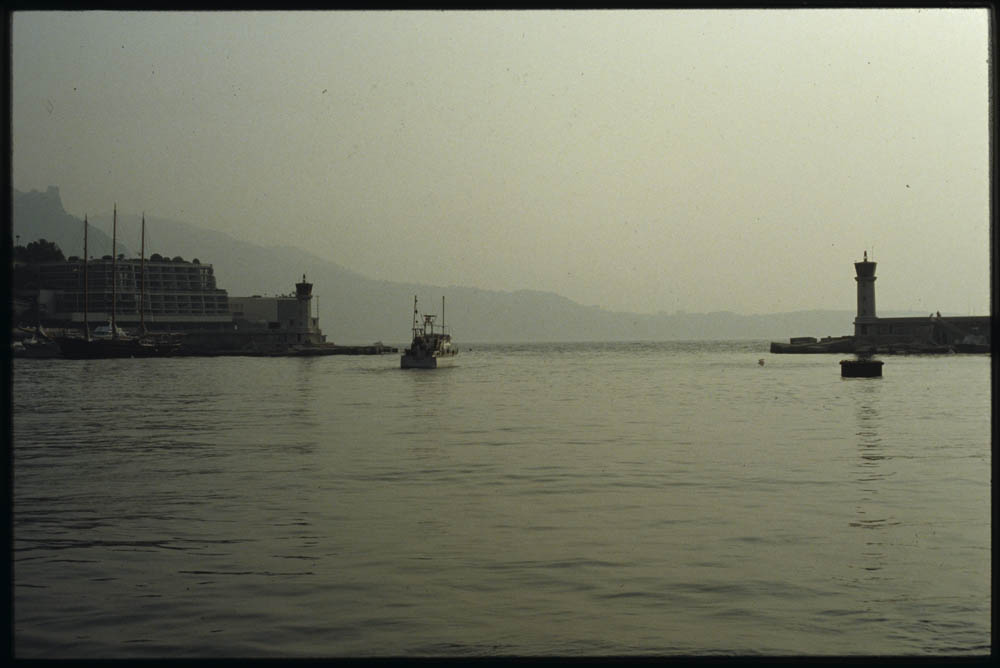
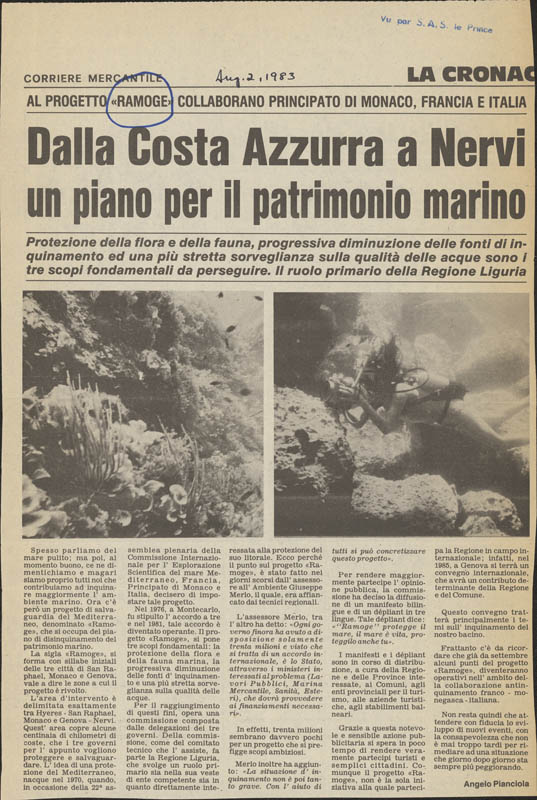
Before the Agreement was signed and ratified, the three countries were already taking concrete action in the early 1970s. As early as 1971, the idea of an “international floating laboratory” emerged. It took shape in 1974 when the Prince, driven by a strong commitment to efficiency, purchased a vessel named RAMOGE and made it available to the Scientific Centre of Monaco (CSM). Fitted out by the CSM, which already operated a marine pollution response unit and had launched a seawater sampling program as early as 1966, in collaboration with the Oceanographic Museum, the RAMOGE became a fully operational unit equipped with advanced scientific instruments. Its first mission took place in 1975, and it remained in service for around fifteen years.
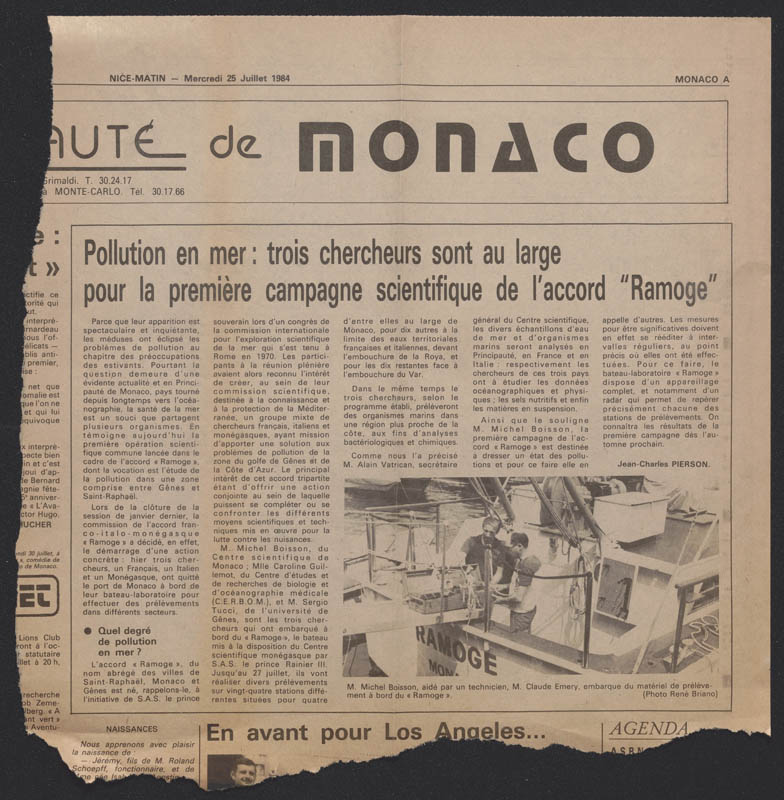
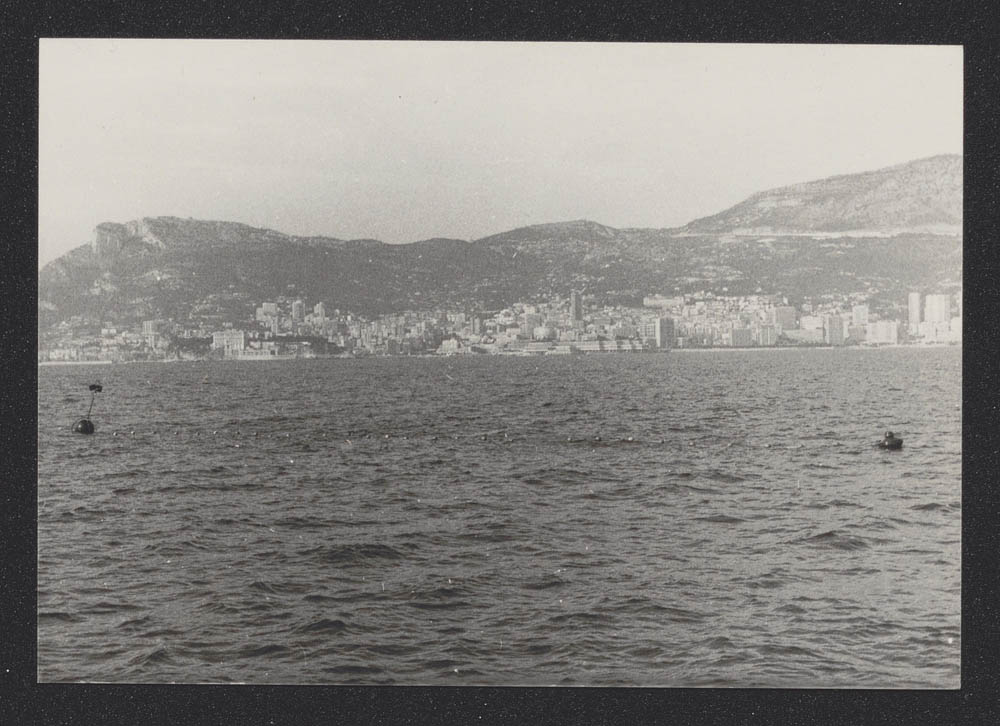
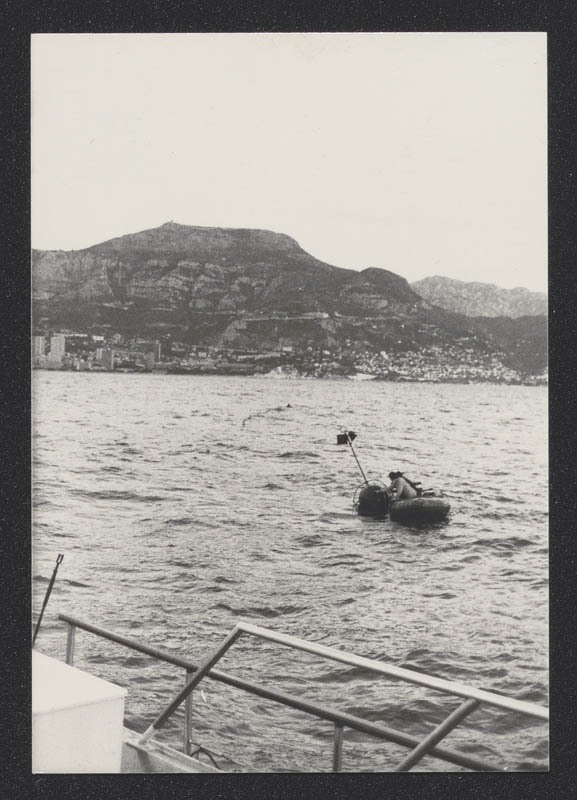
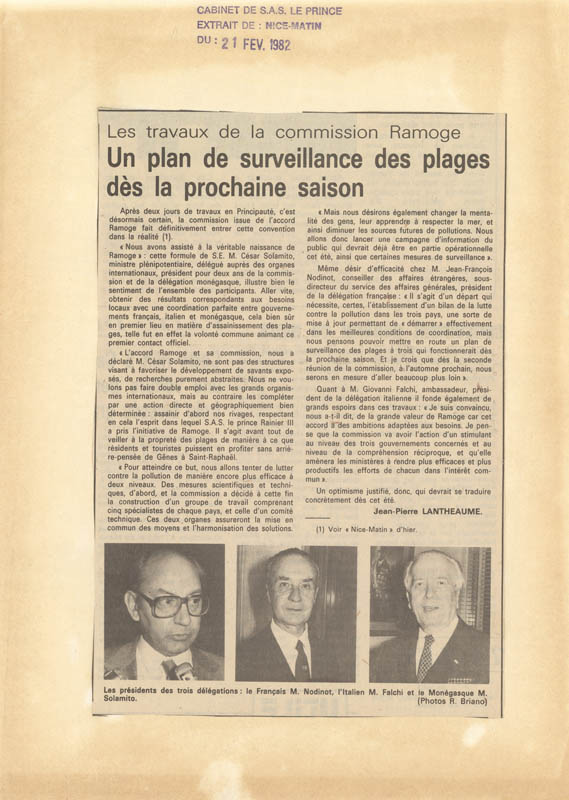
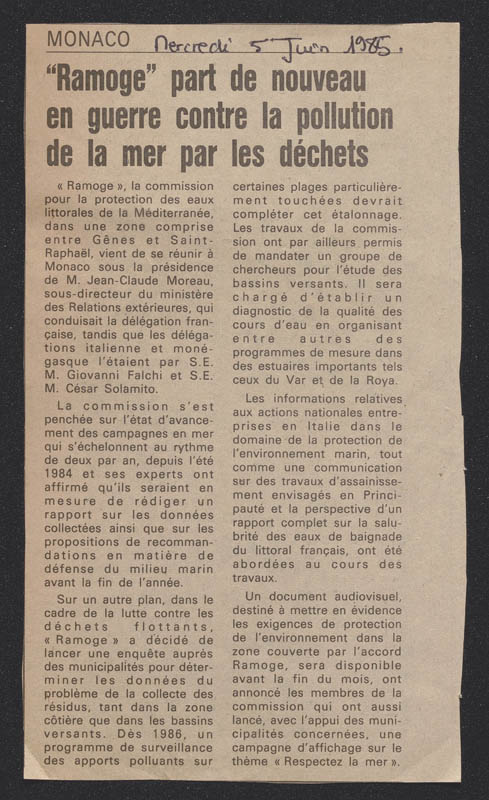
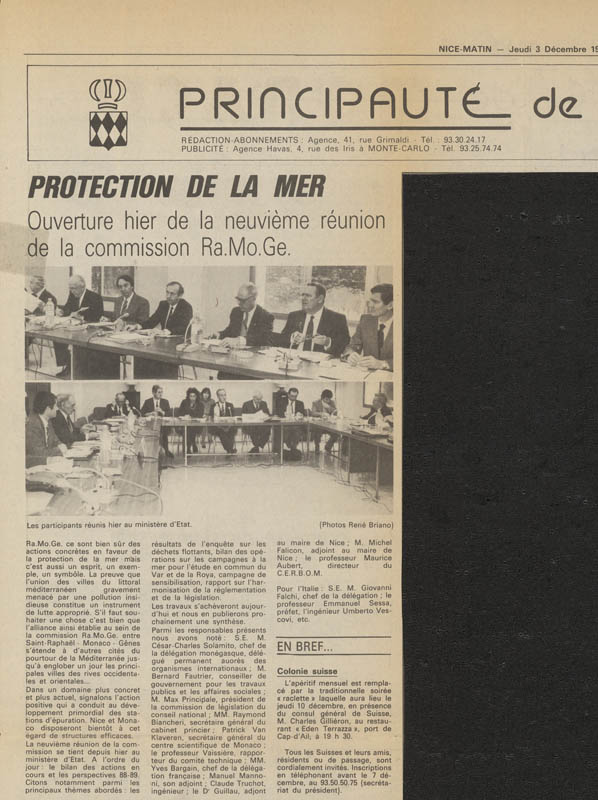
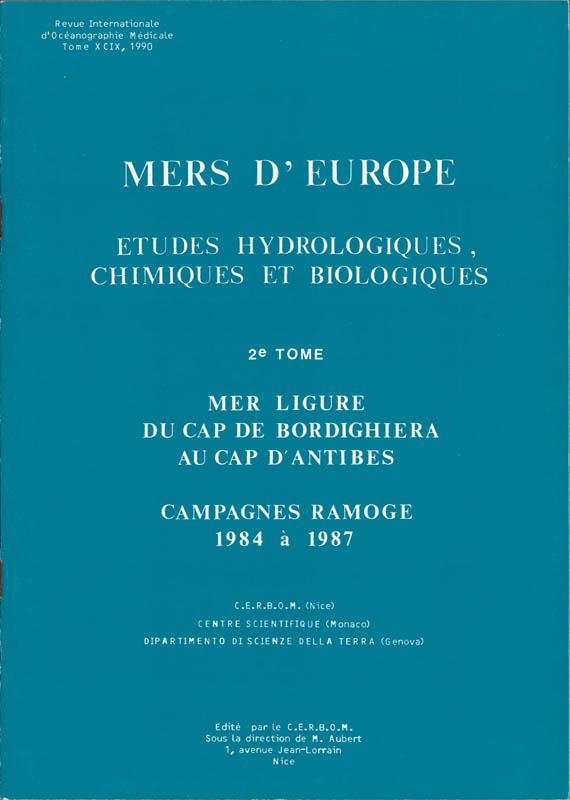
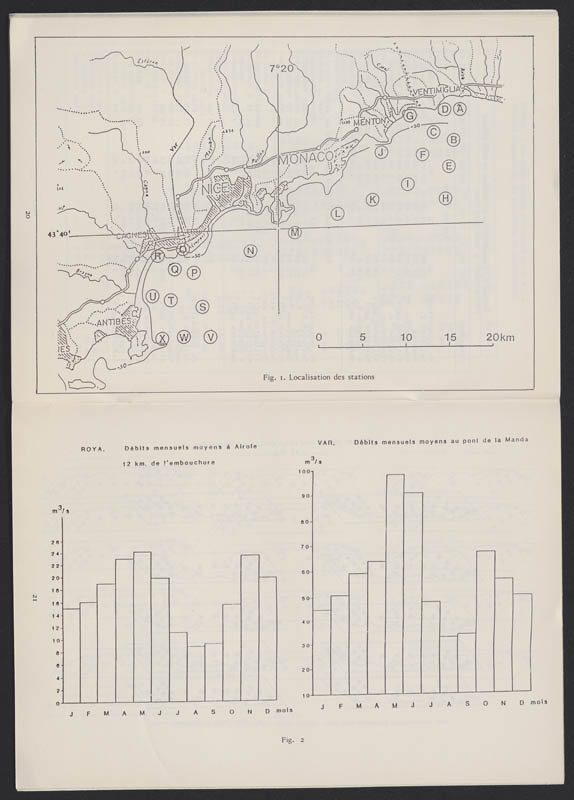
In the 1980s, under the leadership of Alain Vatrican, Secretary-General of the CSM and the first Executive Secretary of the Agreement, and Professor Raymond Vaissière, head of the vessel’s scientific team, several campaigns were conducted to assess marine pollution and improve knowledge of water quality, including studies of inputs from the Var and Roya rivers. The Agreement’s first joint campaign was carried out in 1984 and provided a detailed assessment of pollution sources, types, and dispersion, as well as analyses of river catchment areas and their influence at sea. At the same time, RAMOGE launched a survey of municipalities on the collection of floating waste, organized clean-up operations on beaches and at sea using “Pelican” vessels, and implemented monitoring programs on selected beaches.
These efforts led to concrete initiatives along the coastlines of the three countries, resulting by the late 1980s in the development of sanitation plans and the construction of wastewater treatment plants. RAMOGE was conceived as a tool for technical and operational cooperation, not merely institutional coordination, with the aim of achieving tangible results quickly.
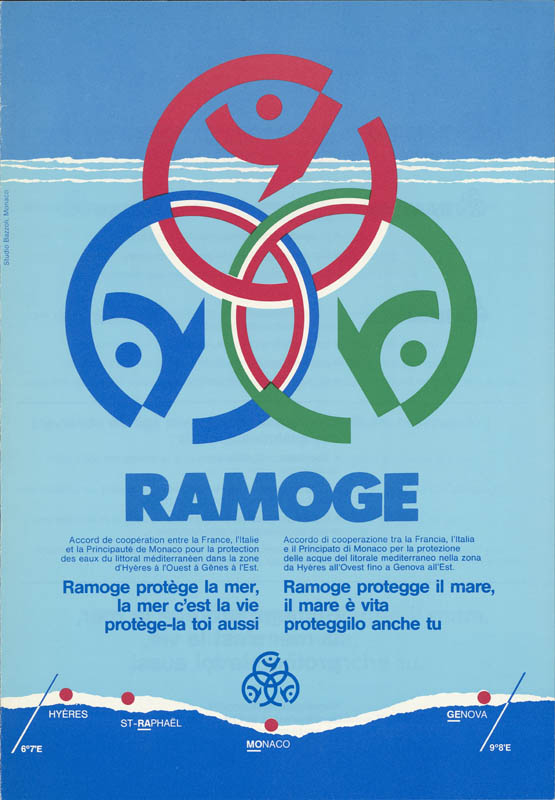
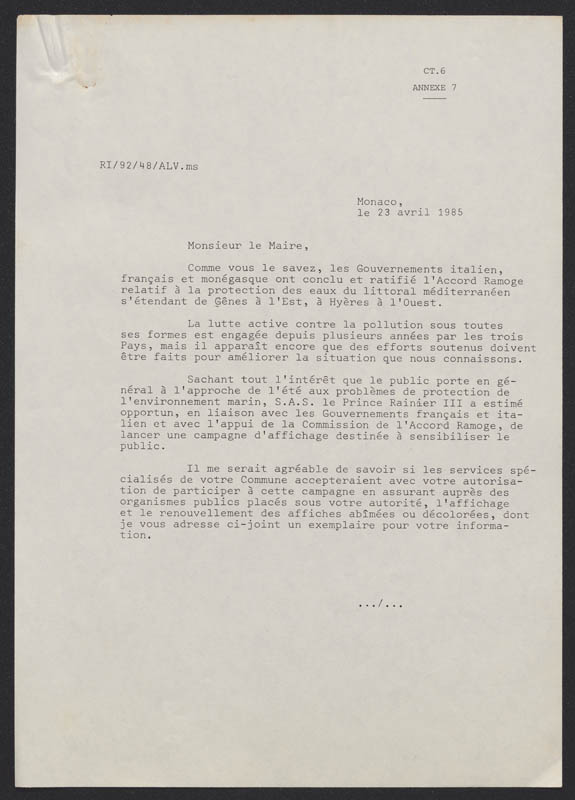
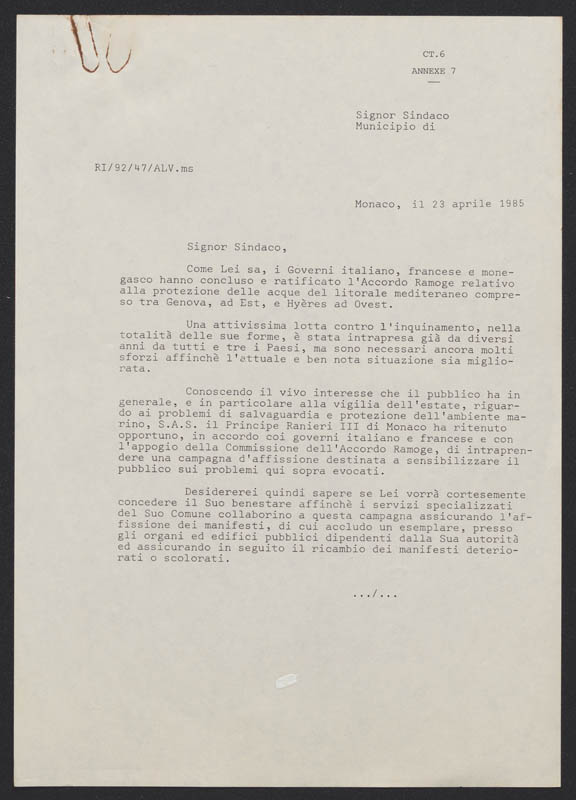
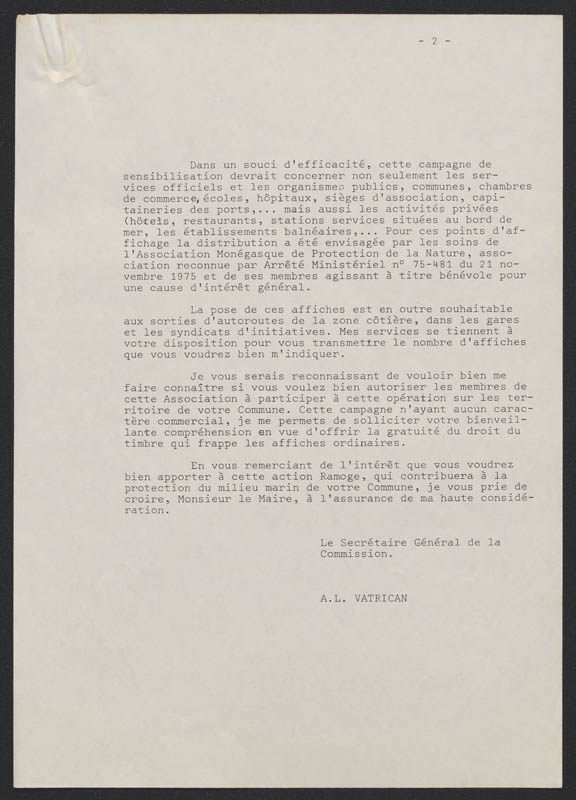
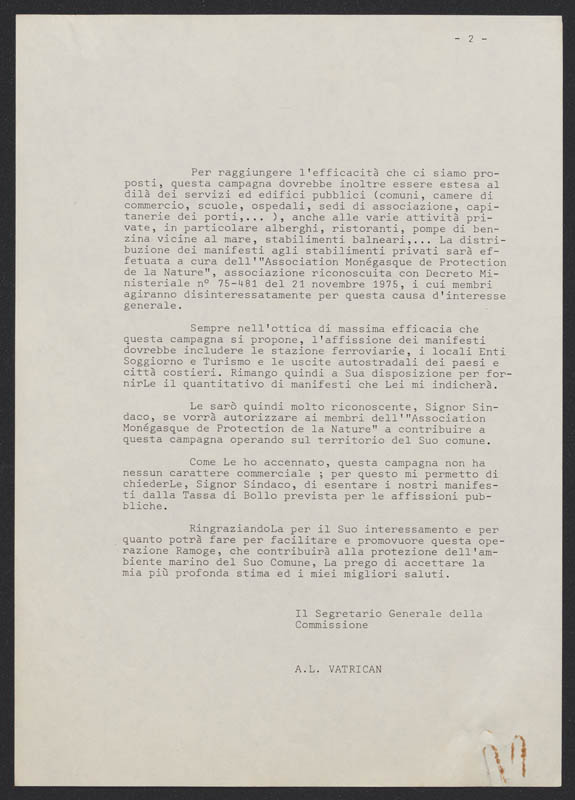
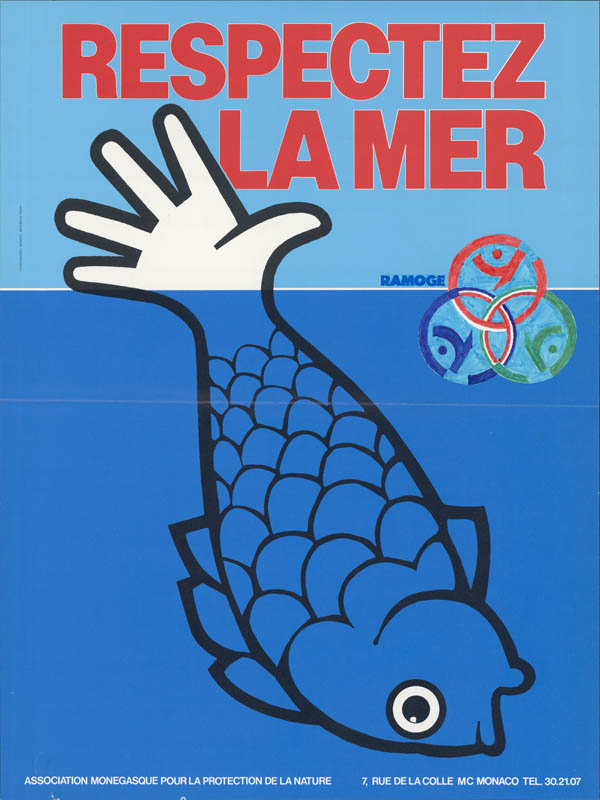
Finally, the Agreement initiated major public awareness campaigns, notably under the theme “Respect the Sea”, to encourage collective responsibility.
Digital exhibition
Exhibition Content
 01
From the intuition of a prince to the signing of RAMOGE
01
From the intuition of a prince to the signing of RAMOGE
 02
The RAMOGE laboratory vessel and the first initiatives
Active section
02
The RAMOGE laboratory vessel and the first initiatives
Active section
 03
From the Haven accident to the RAMOGEPOL Plan
03
From the Haven accident to the RAMOGEPOL Plan
 04
1990s–2000s: Biodiversity and the coastline at the heart of the mission
04
1990s–2000s: Biodiversity and the coastline at the heart of the mission
 05
After 2009: a new strategy for a more comprehensive approach
05
After 2009: a new strategy for a more comprehensive approach
 06
Deep ecosystems, a still largely unknown world: exploration campaigns launched in 2015
06
Deep ecosystems, a still largely unknown world: exploration campaigns launched in 2015
 07
Exemplary cooperation in addressing contemporary challenges
07
Exemplary cooperation in addressing contemporary challenges
 08
Timeline and Key Figures
08
Timeline and Key Figures
 09
Credits and acknowledgements
09
Credits and acknowledgements
