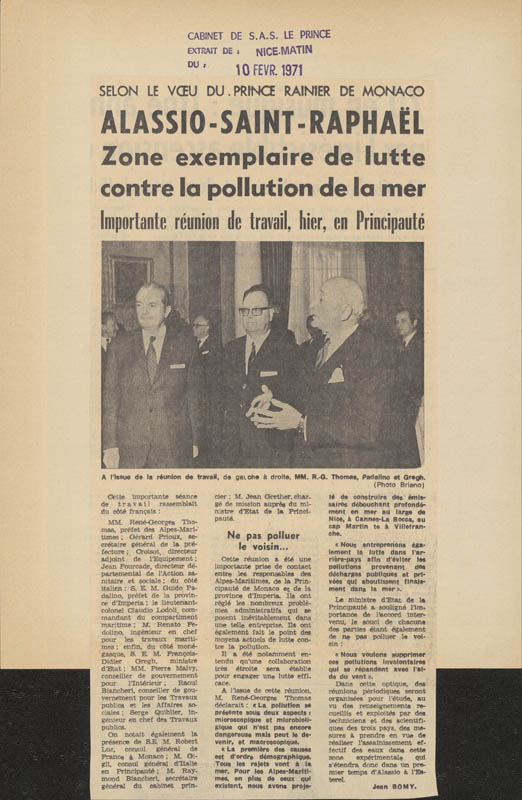
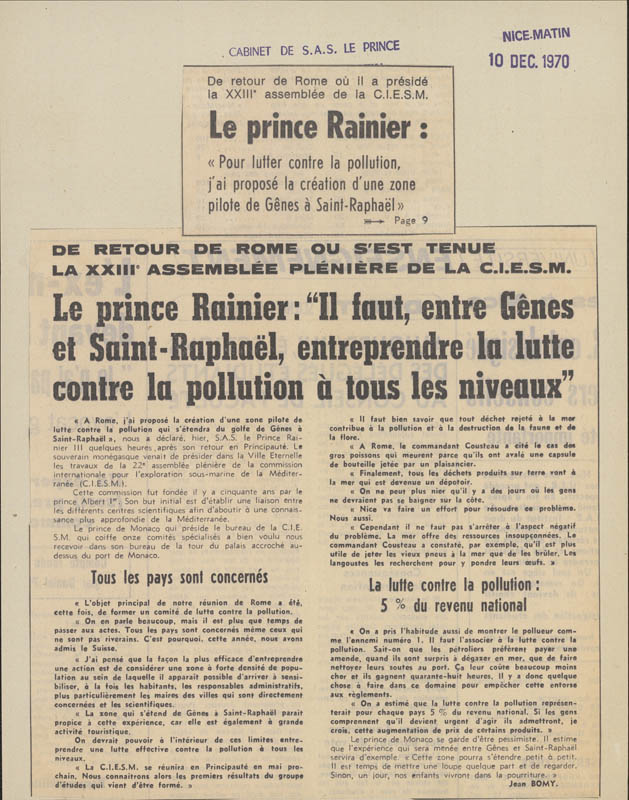
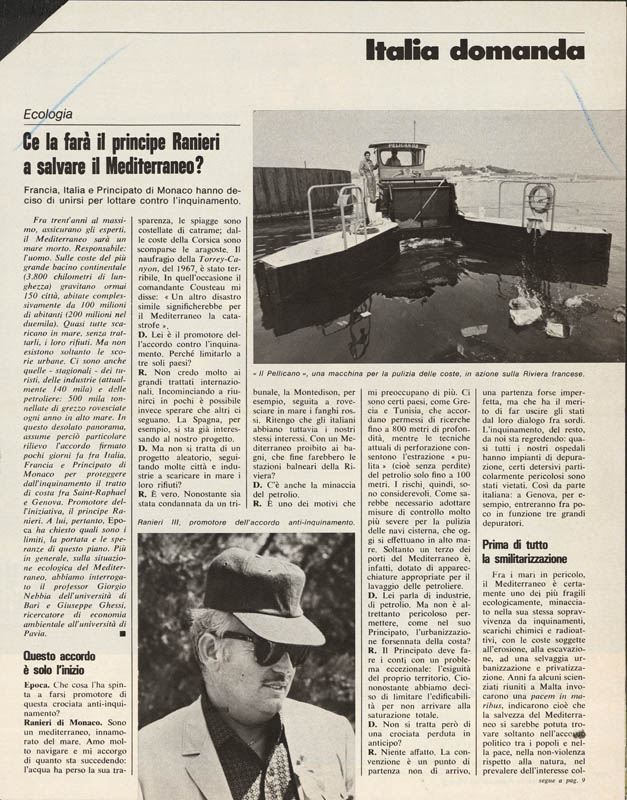
In response to growing concerns over pollution in the Mediterranean, voiced by committed figures such as Commander Jacques-Yves Cousteau, Alain Bombard, Marcel Clébant, and Folco Quilici, and at a time when environmental awareness was still in its early stages, Prince Rainier III of Monaco decided to take action.
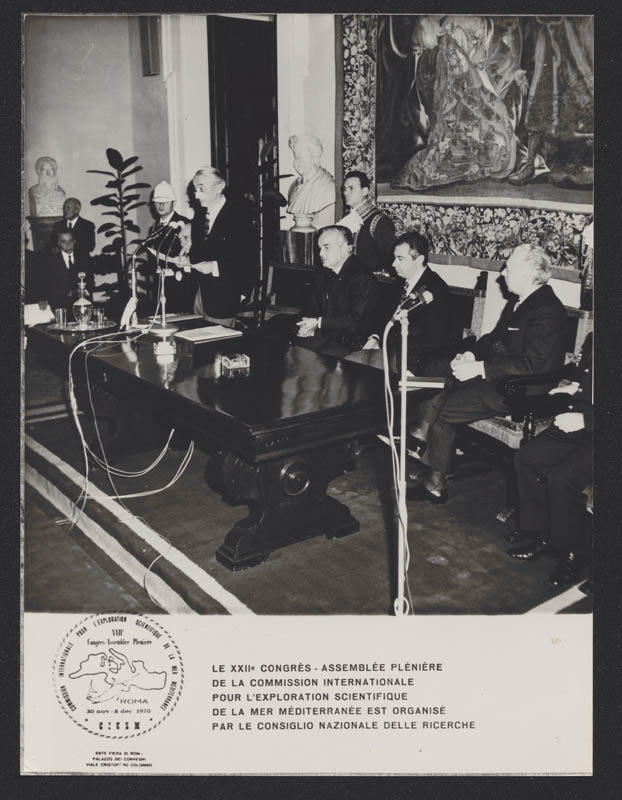
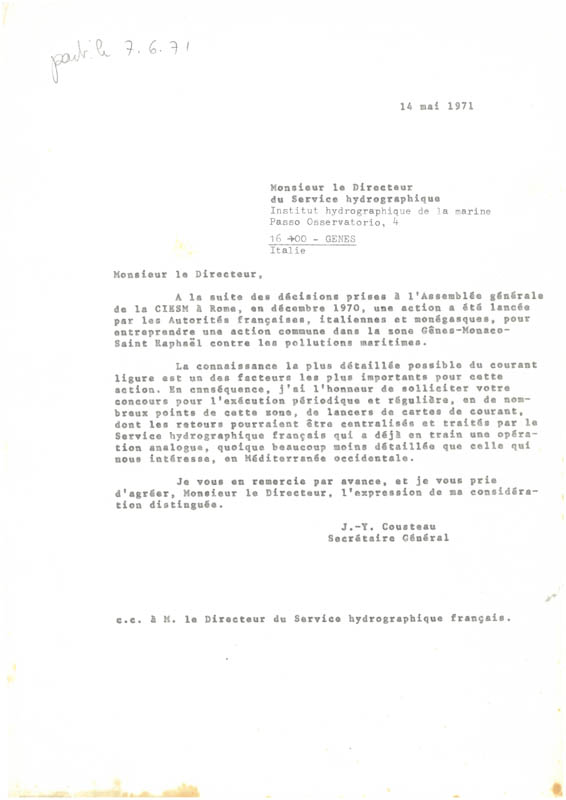
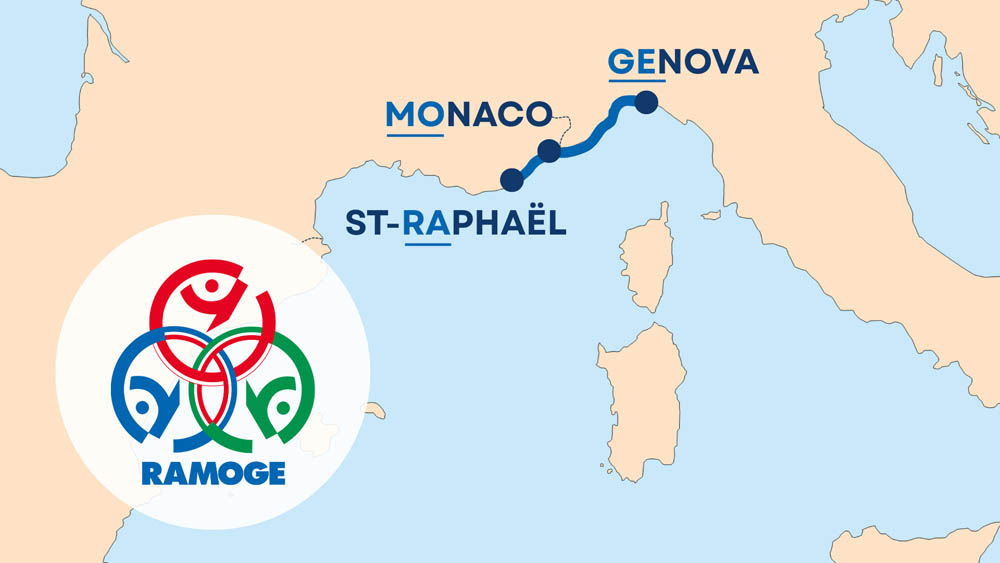
As President of the CIESM (International Commission for the Scientific Exploration of the Mediterranean), during the 1970’s Congress in Rome (held by this Monaco-based scientific institution founded by his grandfather, Prince Albert I), and alongside Cousteau, then Secretary-General, he proposed the creation of a transboundary cooperation between France, Italy, and Monaco to combat marine pollution in the area from Saint-Raphaël to Genoa, hence the name RA.MO.GE.
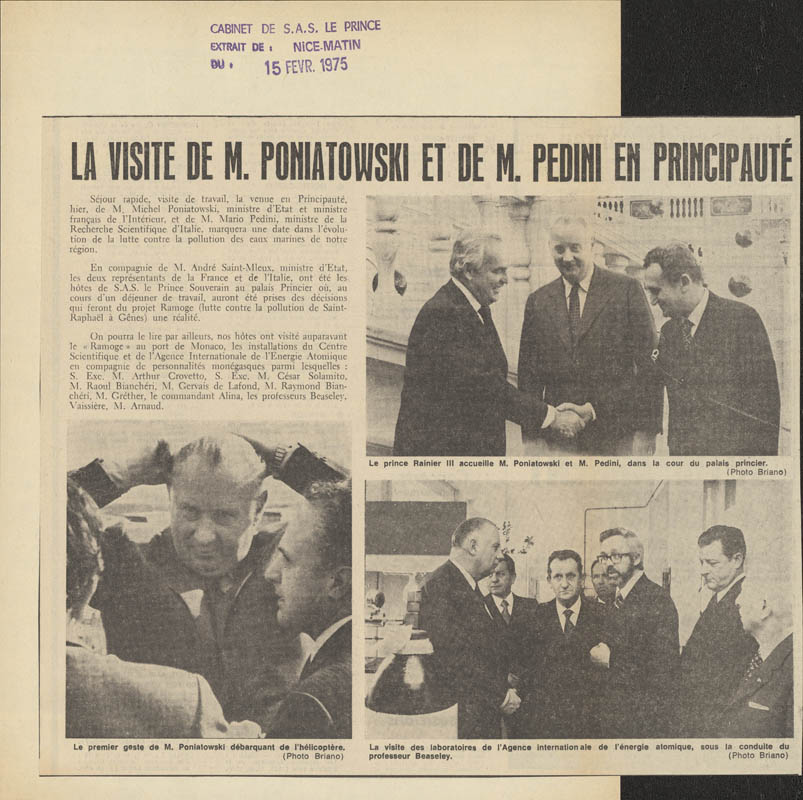
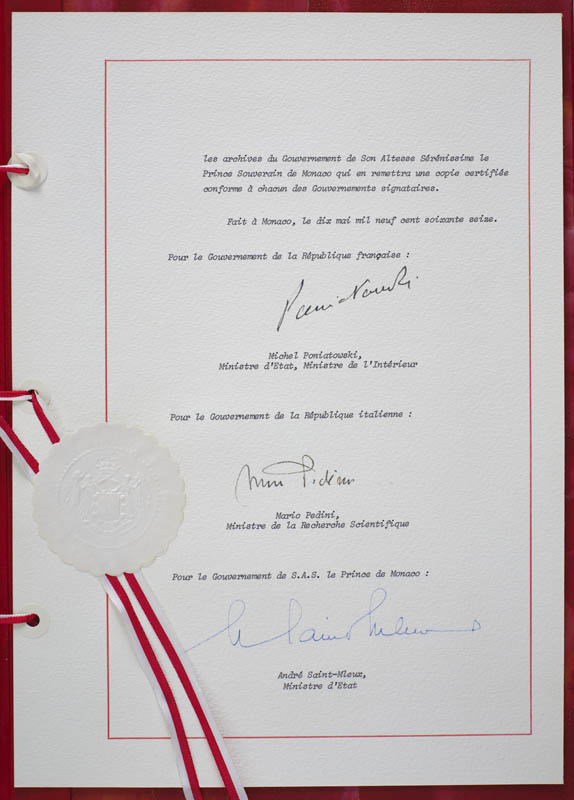
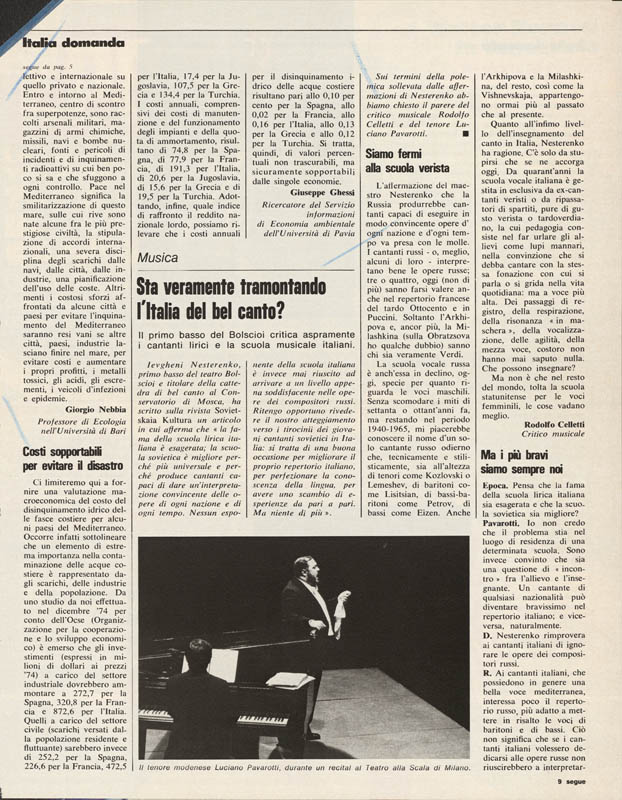
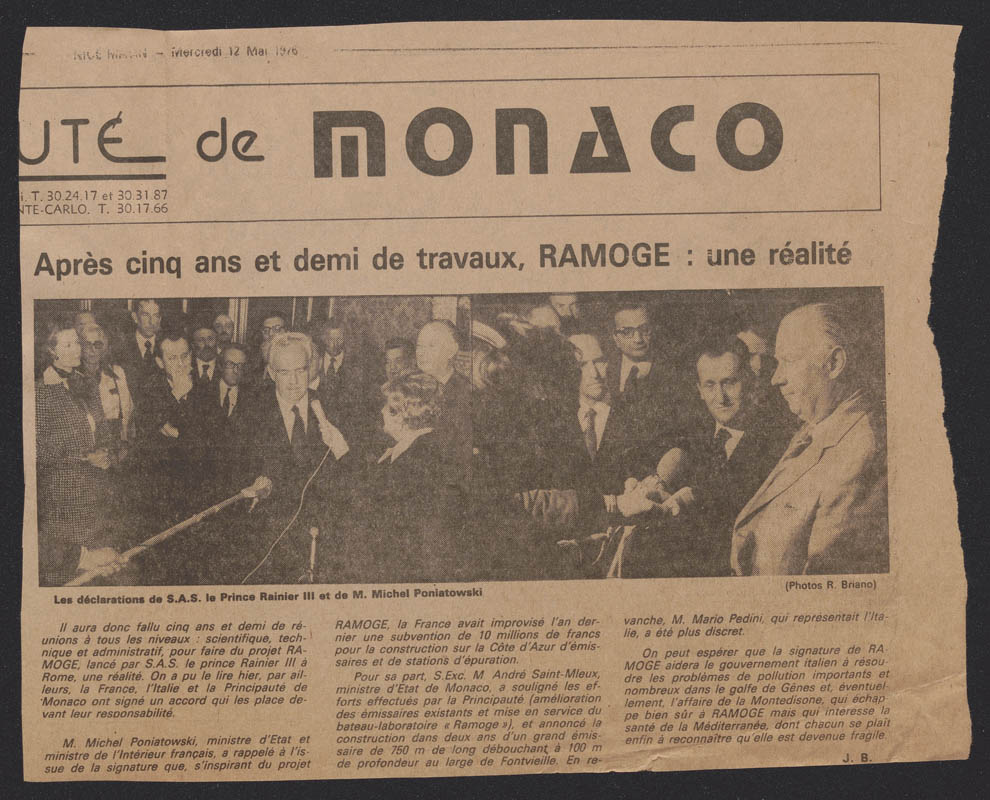
The proposal was quickly welcomed by both Italy and France, which in 1971 established its first Ministry of Nature and the Environment. The CIESM and the Scientific Centre of Monaco (CSM), founded in 1960 by Prince Rainier, took the lead in developing this pilot zone project. After several years of preparatory work, and ahead of the signing of a formal agreement, a joint visit of the respective coastlines was organized in 1975, involving Michel Poniatowski, French Minister of State for the Interior, Mario Pedini, Italian Minister for Scientific Research, and André Saint-Mleux, Minister of State of the Principality.
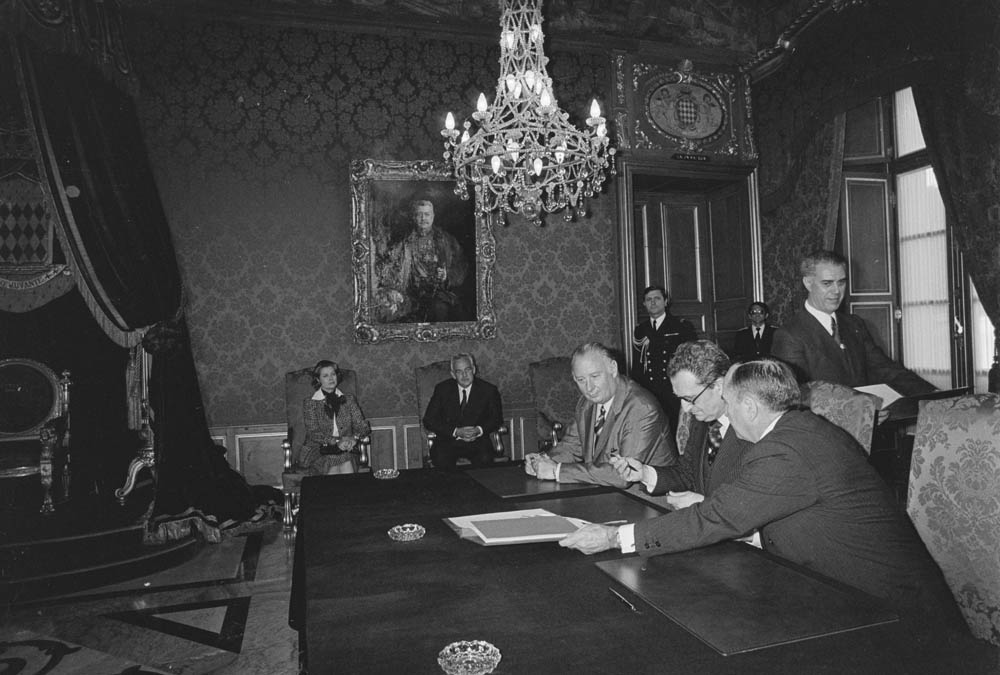
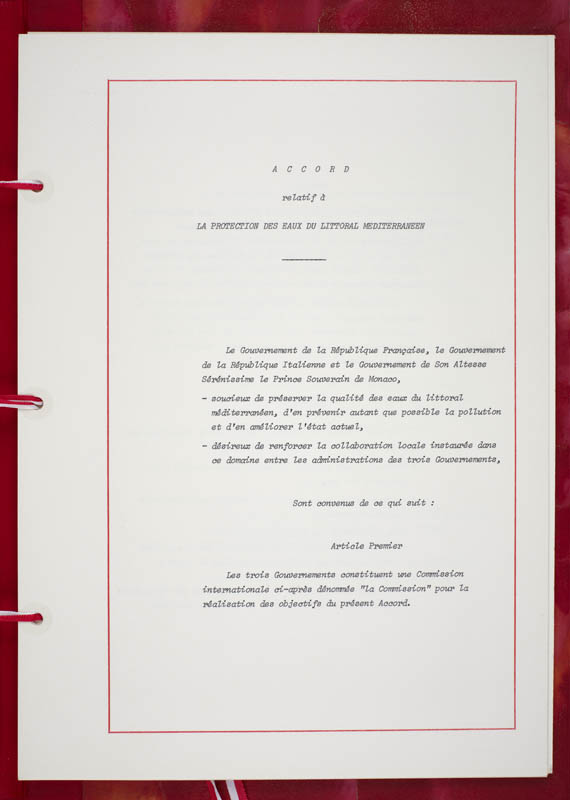
The following year, on May 10, 1976, in Monaco, they signed the RAMOGE International Cooperation Agreement “on the protection of Mediterranean coastal waters.” The document was signed in the Throne Room of the Palace, an exceptional occurrence in the Principality’s contemporary history for an agreement of this kind, which was both pioneering and the first of its kind in the Mediterranean. Contrary to the project’s initial concept, the designated area was expanded, extending from Hyères to Genoa.
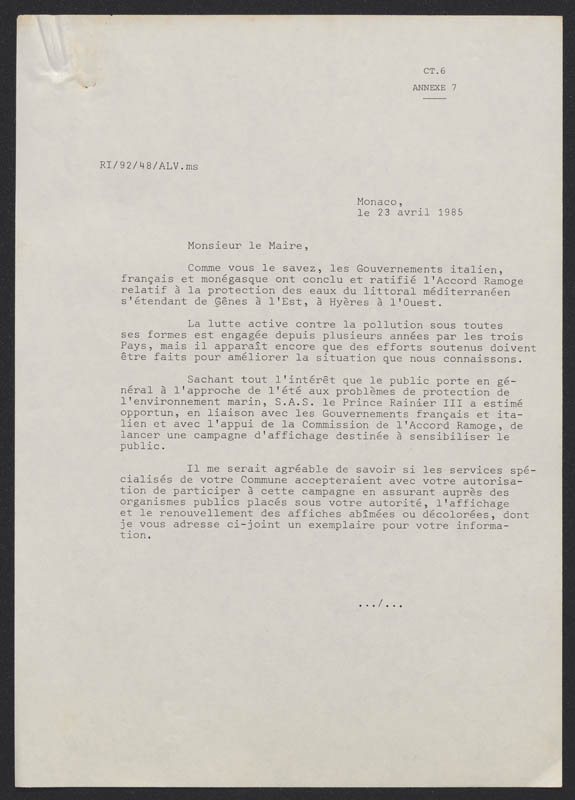
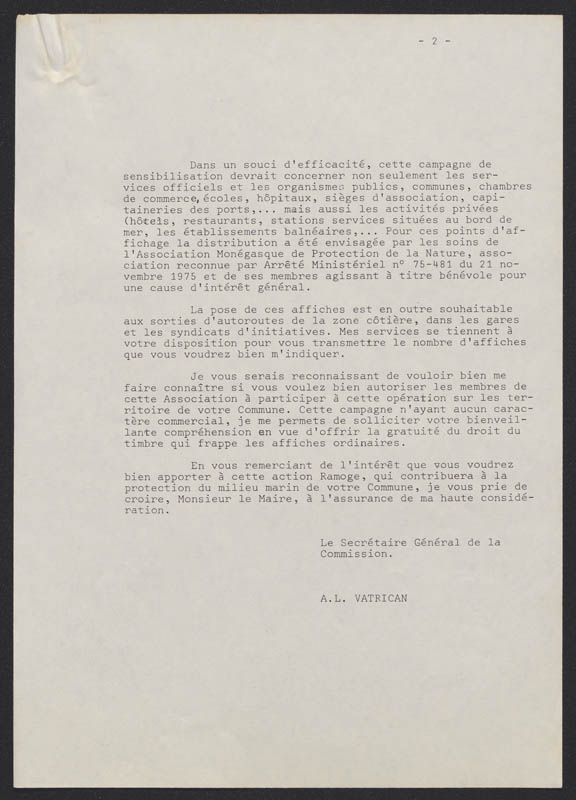
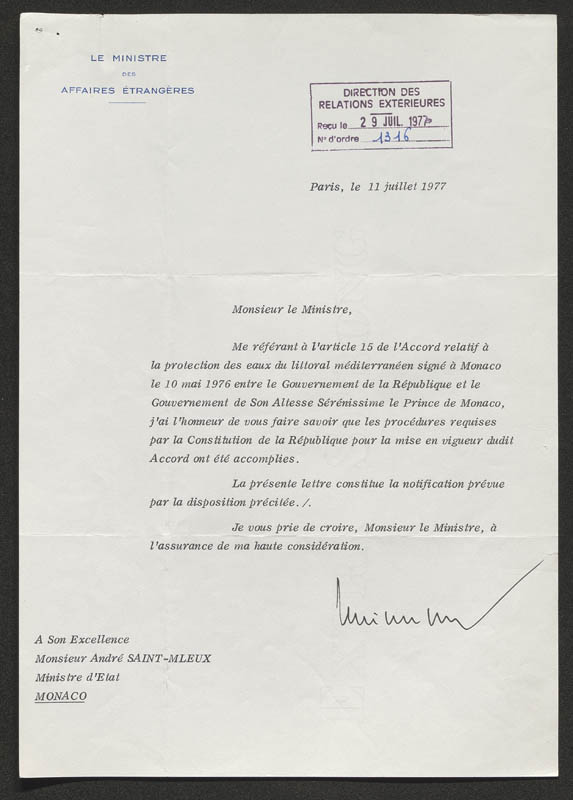
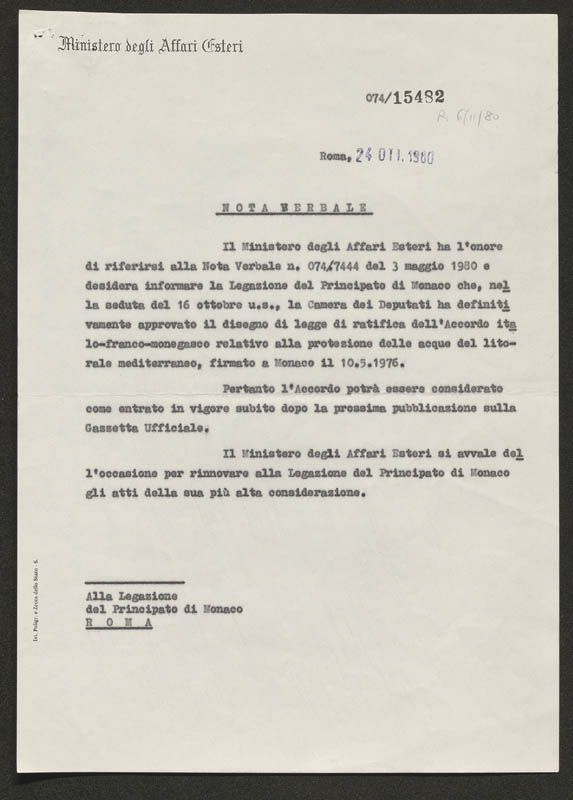
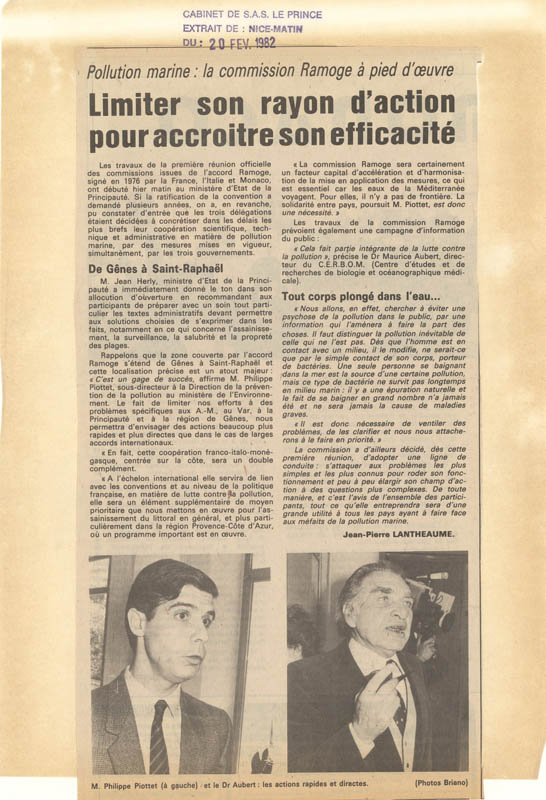
Ratification by the three countries was completed in 1980, and the Agreement entered into force on January 1, 1981. The first meeting of the RAMOGE Commission, its decision-making body, was held in 1982. A technical committee, composed of experts, provides the scientific foundation of the Agreement, supported by working groups that gradually formed its operational base, while a permanent secretariat, based in Monaco, initially at the CSM, coordinates its activities.
Digital exhibition
Exhibition Content
 01
From the intuition of a prince to the signing of RAMOGE
Active section
01
From the intuition of a prince to the signing of RAMOGE
Active section
 02
The RAMOGE laboratory vessel and the first initiatives
02
The RAMOGE laboratory vessel and the first initiatives
 03
From the Haven accident to the RAMOGEPOL Plan
03
From the Haven accident to the RAMOGEPOL Plan
 04
1990s–2000s: Biodiversity and the coastline at the heart of the mission
04
1990s–2000s: Biodiversity and the coastline at the heart of the mission
 05
After 2009: a new strategy for a more comprehensive approach
05
After 2009: a new strategy for a more comprehensive approach
 06
Deep ecosystems, a still largely unknown world: exploration campaigns launched in 2015
06
Deep ecosystems, a still largely unknown world: exploration campaigns launched in 2015
 07
Exemplary cooperation in addressing contemporary challenges
07
Exemplary cooperation in addressing contemporary challenges
 08
Timeline and Key Figures
08
Timeline and Key Figures
 09
Credits and acknowledgements
09
Credits and acknowledgements
